Today’s children are growing up more than ever among screens, apartment buildings, and urban spaces. Yet some of the best lessons happen not in classrooms or books, but in nature.
A farm experience gives children the opportunity to touch the soil, see how plants grow, connect with animals, and get to know the world around them. A farm is not merely a green place to play; it is a real setting for learning, discovery, and firsthand experience. At Delzhin, children can experience farming alongside their families, get to know domestic animals, play by the river, and create moments that stay with them for a long time.
To learn more about this kind of journey, read our guide to experiential travel in Iran and rural tourism.
Why Is a Farm Experience Important for Children?
Children learn best through direct experience. Seeing a picture of a plant or an animal in a book can give them information, but touching soil, planting a seed, or feeding an animal creates a deeper connection with the subject.
Studies in outdoor education show that children’s time in natural settings can help strengthen cognitive skills, increase creativity, and improve their connection with the environment. Learning in nature usually involves movement, observation, and interaction, which helps make the experience more memorable for a child.
A farm is a real-world setting where children can ask questions: Why does a plant grow? Where does food come from? What do animals need? Why are some insects beneficial? When children find answers in a real environment, those answers become more engaging and easier to understand. In fact, a farm trip is more than simple recreation; it is an opportunity for children to experience the world beyond the limits of urban life and build a more natural relationship with their surroundings.
What Do Children Learn on a Farm?
- Responsibility: When a child cares for a plant or animal, they learn that living creatures need attention and care.
- Patience and an understanding of growth: Children learn that a seed planted today needs time to become a plant.
- Observation and curiosity: Nature is full of new things to discover and encourages children’s curiosity.
- A connection with food: Children see how vegetables, fruit, and food products are produced.
- Respect for nature: Being in a natural environment helps children better understand the importance of protecting plants, animals, and natural resources.
At Delzhin, these lessons do not take place as compulsory educational activities. While children play and enjoy themselves, they gain experiences that can change how they see nature and life.
Learning Responsibility Through Caring for Animals
One of the most engaging parts of a farm experience for children is getting to know animals. Many children in cities have only seen animals in books, on television, or online, but on a farm they can build a more genuine connection with them.
Caring for animals teaches children that every living creature has needs. Feeding a bird, petting a dog, or observing the behavior of domestic animals are opportunities through which children experience kindness and responsibility.
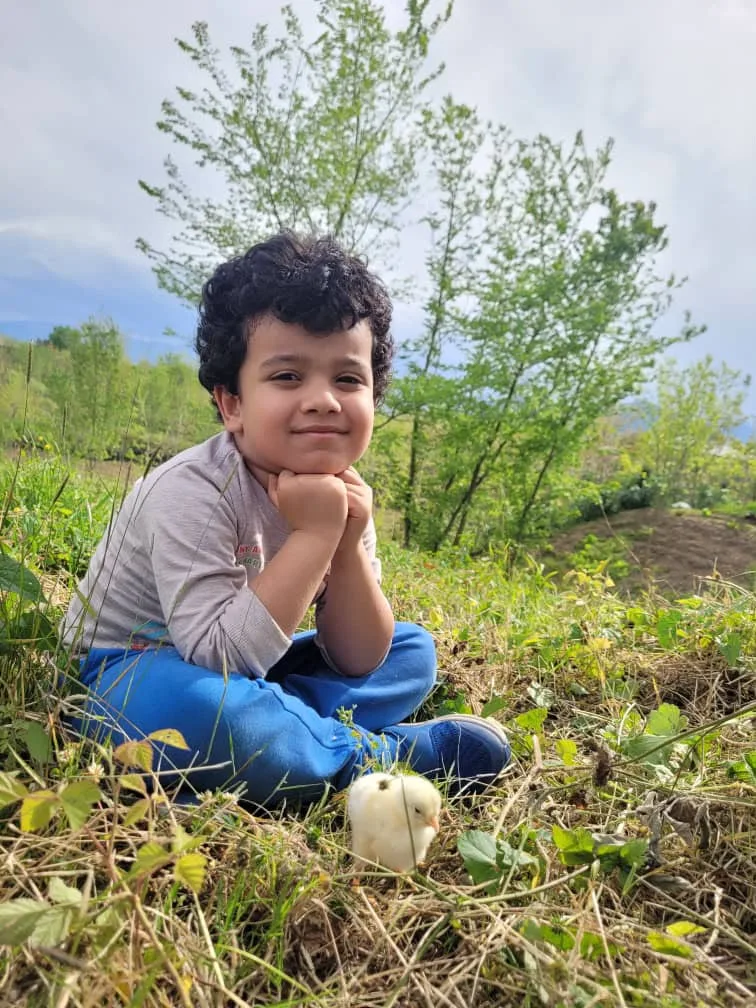
At Delzhin, children can get to know the property’s domestic animals and observe their lives up close. The presence of dogs, birds, and other farm creatures creates an environment in which children can feel closer to nature.
This experience is exciting for many children because, for the first time, they realize that animals are not simply creatures to look at; they are part of a living ecosystem that deserves care and respect.
Getting to Know Food and How It Is Produced
One of the most important lessons a farm offers children is an understanding of how food is produced. Many children who grow up in cities do not have a clear idea of how fruit, vegetables, or food products come into being.
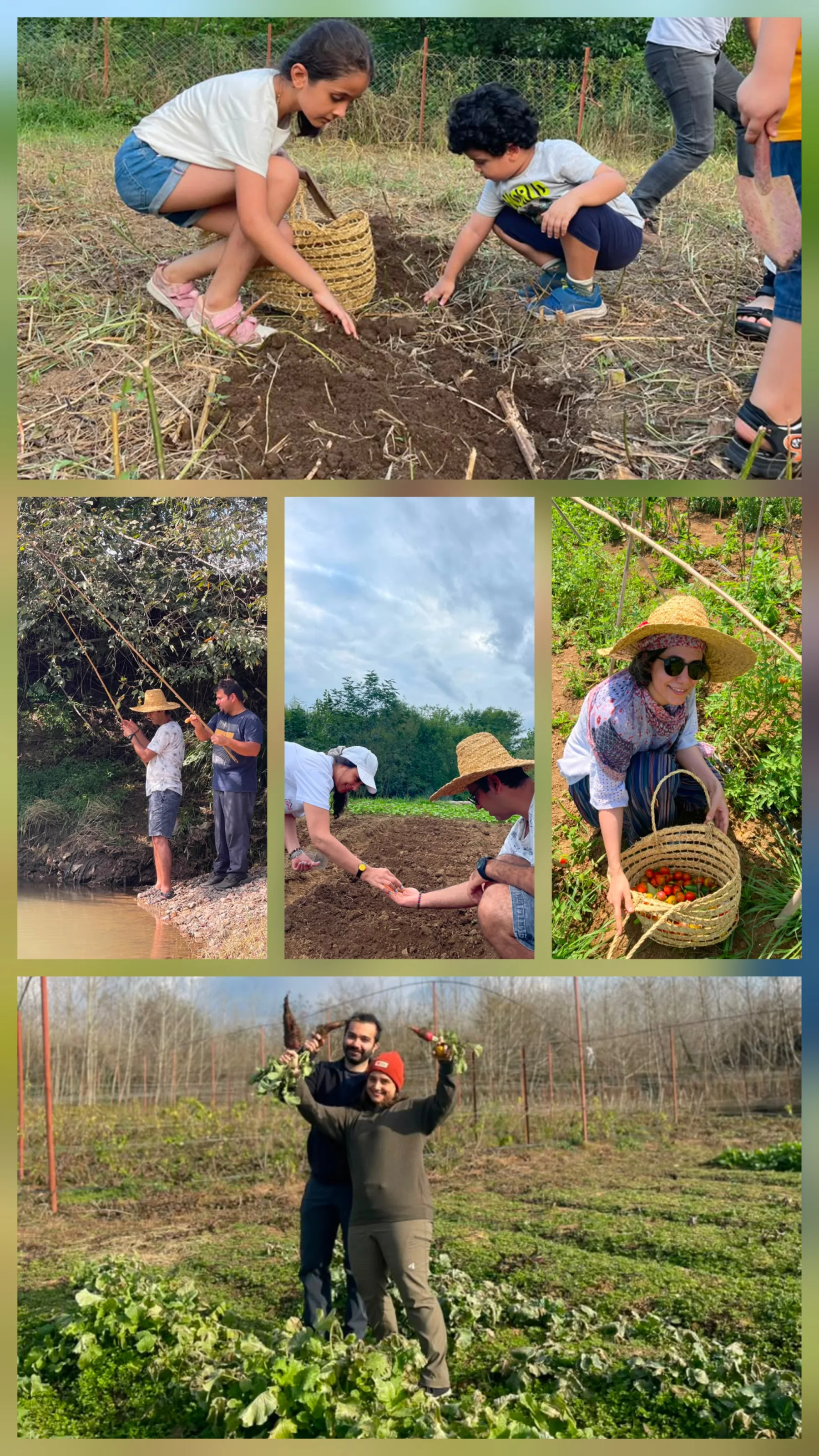
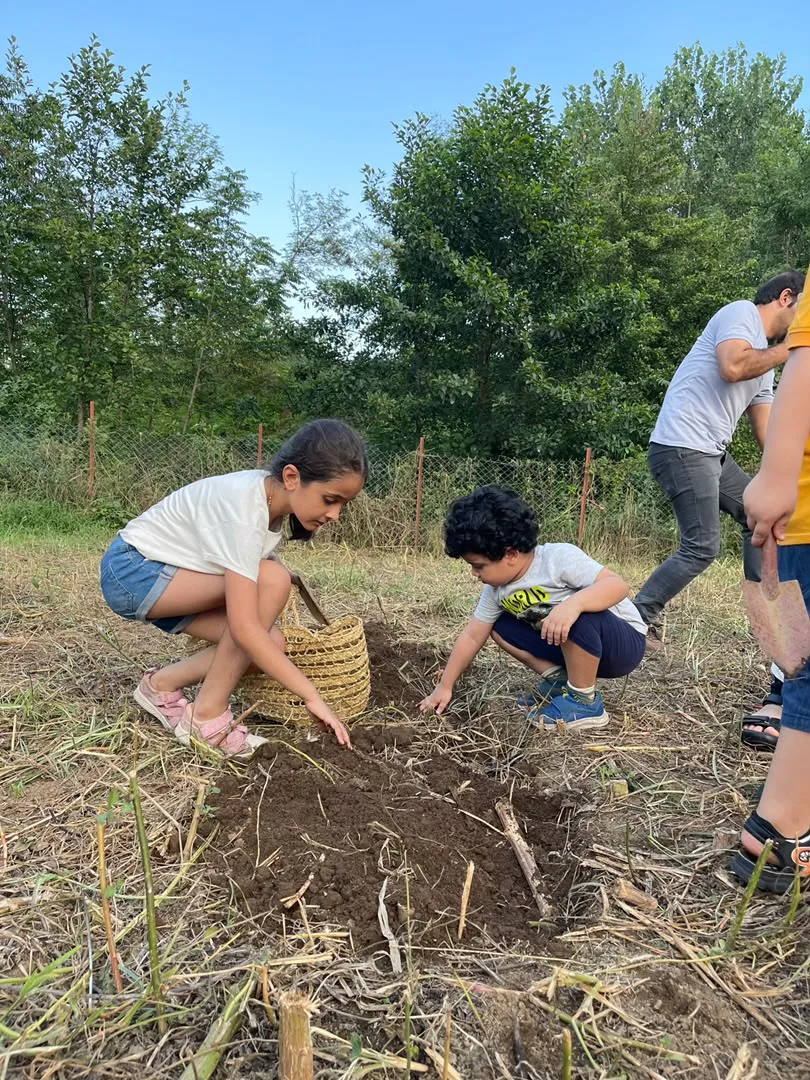
When a child picks a tomato from the garden, helps plant something, or sees how vegetables grow, they develop a different relationship with food. This experience can help children value food more and understand that every product placed on the table involves time, effort, and care.
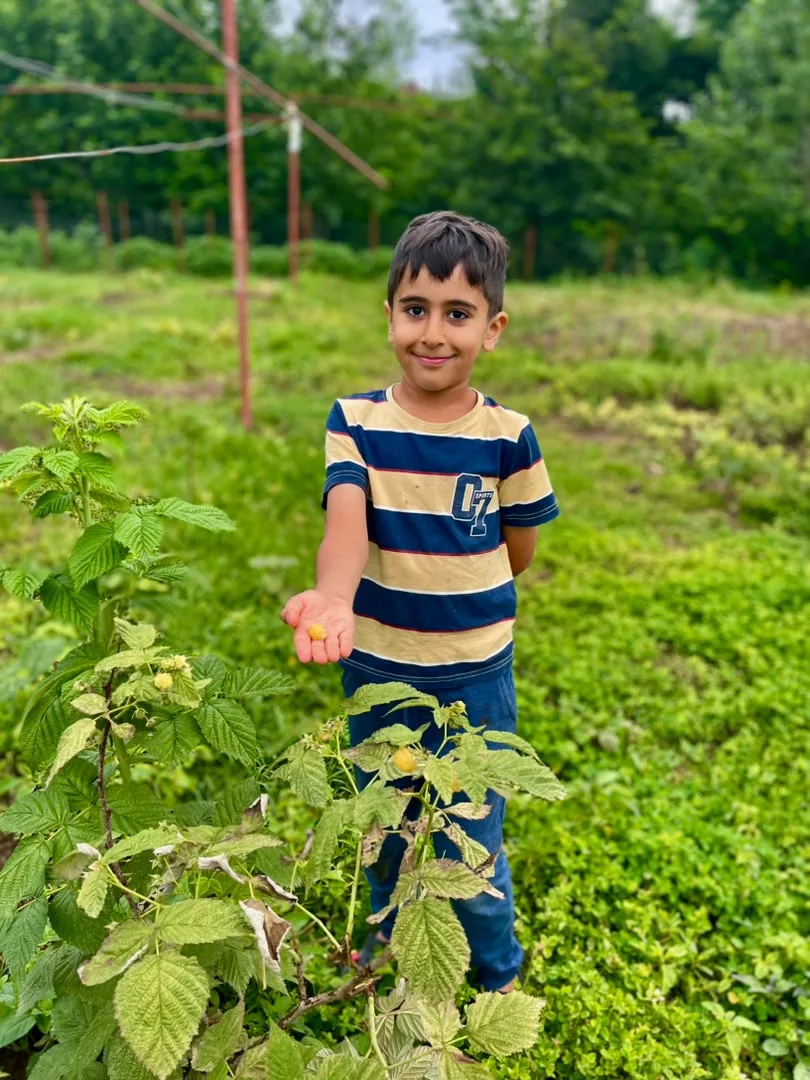
At Delzhin, children can experience fresh products in the farm environment, pick fruit, and taste the true flavor of something that has just come from nature. Learning about Delzhin’s seasonal farm products can also make this connection more tangible for families. These simple moments can sometimes communicate the meaning of agriculture and food production better than any explanation.
Building Creativity and Curiosity Through Outdoor Play
Nature is one of the best places for children’s creativity to grow. In urban settings, games often have defined structures, while on a farm children encounter an open world.
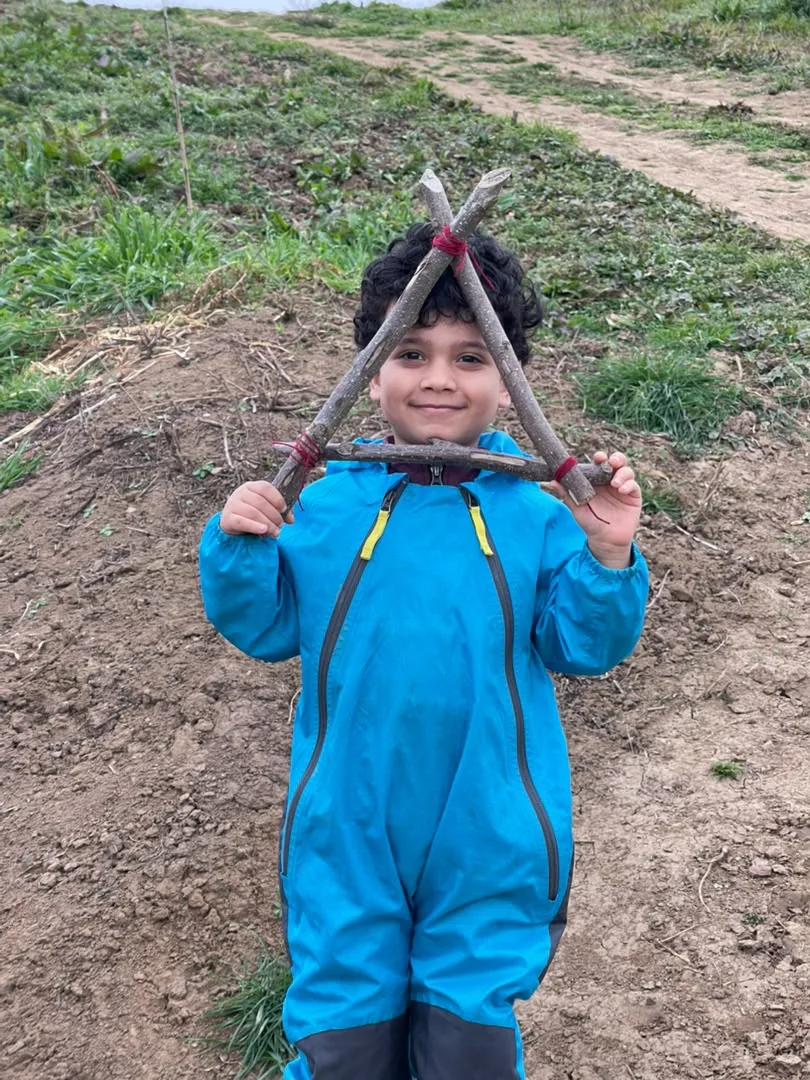
A piece of wood can become a toy, a dirt path can become a place for discovery, and a small insect can spark a new question. Playing in nature allows children to make their own decisions, observe, and find new ways to interact with their surroundings. These kinds of games usually do not need complicated equipment; they rely more on imagination and direct experience.
At Delzhin, children can play with mud, spend time by the river, learn about different plants, and get to know small creatures in nature such as insects. These experiences help children see nature not only as a beautiful view, but as a living world waiting to be explored.
How Does a Farm Support Children’s Social Development?
At a farm, children connect not only with nature but also practice a range of social skills. Activities such as planting, caring for animals, or playing outdoor group games require cooperation and interaction.
Children learn to work with others, share their experiences, and be patient while completing a shared task. This is especially important when children interact with new people, other families, or local hosts.
The farm environment is usually calmer than urban settings and offers more opportunities for real conversation and connection. Children can explore their surroundings without rushing and gain new experiences.
Why Is a Farm Trip a Different Alternative to Urban Entertainment for Children?
Many urban activities for children focus on quick, consumer-oriented entertainment, but a farm offers a different experience. At a farm, a child is not simply receiving entertainment; they play a role in creating the experience.
A day on the farm can include play, learning, nature exploration, and family connection. A child can begin the morning by watching the sunrise, visiting animals, or picking produce, and end the day playing in nature. This kind of trip also gives parents an opportunity to spend more meaningful time with their children and create experiences beyond everyday routines.
For a clearer picture of this experience, see a day at Delzhin Farm.
The Role of Parents in Creating a Lasting Farm Experience
Parents play an important role in the quality of a child’s farm trip. The best approach is to let children discover things for themselves, ask questions, and even get a little dirty.
Soil on their hands, touching plants, and getting close to animals are all part of the experience. Many childhood memories are made from exactly these simple moments.
Parents can accompany their children, talk with them about nature, take their experiences seriously, and guide their curiosity rather than limiting it.
Why Is Delzhin a Good Destination for Family Travel and Nature Experiences?
Delzhin is not simply a place to sleep and rest; it is a place to experience. Families can spend different, peaceful moments together, while children have the opportunity to become familiar with a world beyond urban life.
The farm, domestic animals, river, green space, and nature-based activities mean that every child can have a different travel experience. At Delzhin, the goal is not only to see nature; it is to touch it, understand it, and live alongside it. That is what turns a trip into a family memory.
If you are interested in the connection between farming and everyday food, also read healthy farming at Delzhin Farm.
Conclusion
A farm is not just a travel destination for children; it is a real classroom in nature. It is a place where children can learn through their own hands, ask questions, and discover new things. Experiences such as planting, caring for animals, picking fruit, playing by the river, and getting to know nature develop skills that are less likely to emerge in urban settings. Delzhin aims to provide a safe and distinctive setting for families, where children can connect with nature alongside their parents and create memories that are not merely seen, but remain in their minds for years to come.
Frequently Asked Questions
What ages are suitable for a farm experience?
A farm experience is not limited to a particular age. Younger children can become familiar with animals and nature, while older children can try activities such as planting, learning about products, and caring for animals.
Can children interact with animals at the farm?
Yes. Getting to know domestic animals is one of the most appealing parts of a farm experience for children. This interaction should always take place with safety considerations and under parental supervision.
What do children learn on a farm?
Children learn practical concepts such as responsibility, caring for living creatures, the importance of food, understanding nature, and cooperating with others.
What activities are available for children at Delzhin?
At Delzhin, children can get to know domestic animals, experience farming, pick fruit, play by the river, learn about plants and insects, and enjoy a close-to-nature experience.